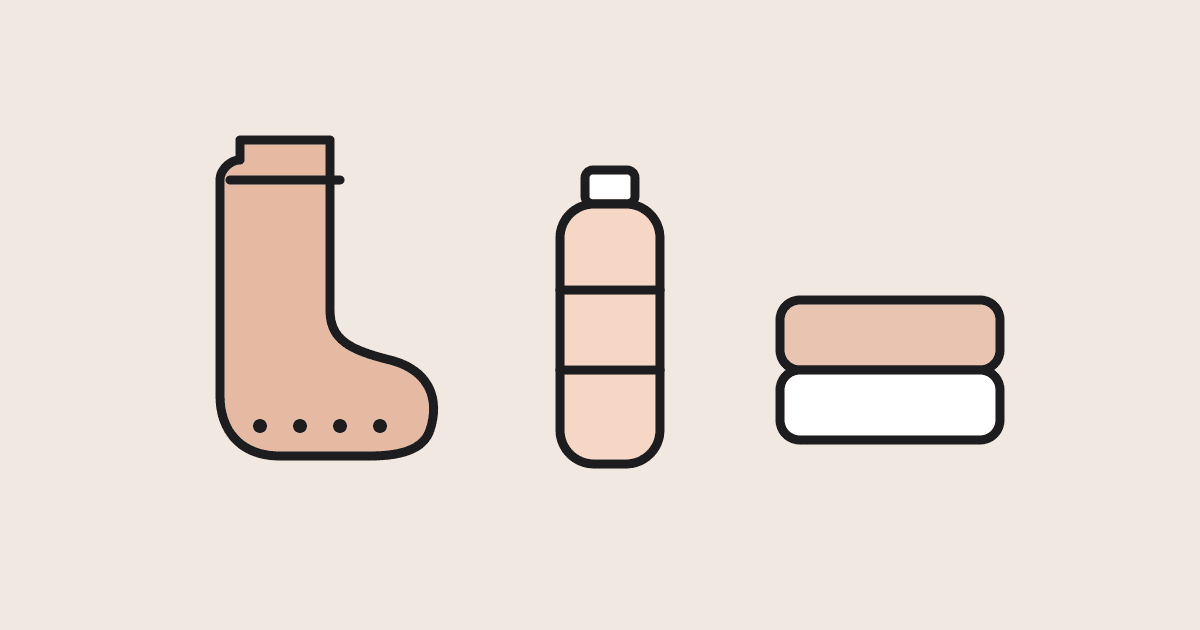
For a first Pilates class, book a trial or intro session in advance, sign the studio's waiver, wear fitted clothes and bring grip socks and water. Tell the instructor about any injury before you start. On a reformer, expect the first few minutes to be about the machine: springs, the footbar, the straps and how to get on and off safely.
Not sure which kind of class to book? Start with reformer vs mat Pilates. To find a studio, use the Roundhouse Pilates finder.
Book the right first session
Most studios do not want you to walk in. Chamiers Core in Chennai, for example, says it does not accept walk-ins and closes bookings 12 hours before a session (Chamiers Core). Book ahead, and ask which session suits a beginner.
There are three common ways in:
- A trial session. Rebound Pilates & Physiotherapy in Pune describes its trial as designed for first-timers, with the instructor guiding you through the apparatus (Rebound).
- An introductory session. YKBI's studio pages, such as Rajendra Nagar in Delhi, say you can book an introductory session to try the studio first (YKBI Pilates).
- Private sessions first. Chamiers Core recommends starting with private sessions if you have never done Pilates or do no other exercise, because its group classes are paced for the whole room (Chamiers Core).
Ask about the trial rules before you pay. Chamiers Core, for example, allows one trial per person per year (Chamiers Core).
What to wear
Wear fitted workout clothes. Rebound asks for comfortable, form-fitting clothing and says to avoid baggy bottoms on the reformer (Rebound). Chamiers Core gives the reason: fitted clothes let the instructor see your form (Chamiers Core). Loose fabric can also catch on springs and straps.
Leave jewellery at home or in a locker. Chamiers Core does not allow dangling jewellery on its reformers (Chamiers Core).
Shoes come off. Studios usually work in socks, and some are strict about it. Chamiers Core has a no bare feet policy, so socks are mandatory (Chamiers Core).
What to bring
| Bring | Why |
|---|---|
| Grip socks | Many studios require or recommend them. Some sell or provide them. |
| Water bottle | Studios list it among the things to bring. |
| Small towel | Useful on a mat or carriage. Ask if the studio provides one. |
| Your booking confirmation | Some studios check you in at the desk or by app. |
| Any injury details | Tell the instructor before class, not halfway through. |
Grip socks have rubber dots on the sole. Some studios sell them at the desk, such as Chamiers Core and Rebound (Chamiers Core, Rebound). Life Pilates says its Chhatarpur studio provides grip socks and mats (Life Pilates). Ask your studio before you buy a pair.
You rarely need your own equipment. Chamiers Core asks you to bring only yourself, your grip socks and water (Chamiers Core).
Before class starts
Sign the waiver. Chamiers Core requires every client to complete its waiver before the first session (Chamiers Core). Do it at home if the studio sends it by email.
Arrive early. A first visit takes longer: finding the entrance, checking in, a locker, a quick chat with the instructor. Late arrivals may not be let in. Chamiers Core says a client more than 10 minutes late may not be allowed to join, because they have missed the warm-up (Chamiers Core).
Tell the instructor what matters. Mention any injury, recent surgery or pregnancy, even if it feels minor. Teachers certified by the National Pilates Certification Program are credentialed to teach people who are apparently healthy or who have medical clearance to exercise (NPCP). If you have a condition, get that clearance first. Physio-led studios, such as R3BOOT in Mumbai, describe an individual assessment before private sessions (R3BOOT).
What happens on a reformer
A reformer has a padded carriage that rolls on rails, springs that set the load, a footbar to push against and ropes or straps to pull (Balanced Body). In a first session you will usually be shown:
- How to get on and off. The carriage moves. Step on only when the instructor says so.
- How to change springs. Springs add or take away load. The instructor tells you which to use.
- Where the footbar and straps go. Many exercises start with your feet on the footbar or your hands in the straps.
- When to stop. If a movement hurts or the carriage feels out of control, stop and tell the instructor.
Expect slow, controlled movement and a lot of cueing about breath and position.
What happens in a mat class
A mat class is simpler to start. You need a mat and floor space, and props such as a ring, a ball or a band may be handed out. The instructor will cue position and breathing in the same way. There is no machine to learn, so a mat class is often the quicker first step.
After your first class
Ask three questions before you leave:
- Which class should I book next, group or private?
- How does the package work? At Chamiers Core, for example, validity starts on the date of purchase, not your first class (Chamiers Core).
- How much notice do you need to cancel? Chamiers Core, for example, asks for at least 24 hours (Chamiers Core).
Then write down what you liked and what felt hard. It makes the second visit, or a second studio, easier to judge. How to choose a Pilates studio has a checklist.
Frequently asked questions
What should I wear to my first Pilates class?
Fitted workout clothes that let the instructor see your form and will not catch on springs or straps. Avoid baggy bottoms on a reformer. Leave dangling jewellery off.
Do I need grip socks for Pilates?
Often, yes. Some studios require socks and recommend grip socks, and several sell them at the desk. Some provide them. Ask your studio before your first class.
Can I just walk in to a Pilates class?
Usually not. Many studios take bookings only in advance, and some close bookings hours before a session. Book a trial or intro session ahead.
Should I tell the instructor about an injury?
Yes, before class starts. Certified Pilates teachers are credentialed to teach apparently healthy people or those with medical clearance, so get clearance first if you have a condition.
Is a private session better than a group class for a beginner?
It is a common way in for reformer Pilates. Some studios recommend private sessions first if you have never done Pilates or do no other exercise, so the instructor can teach the fundamentals.
What do I need to bring to a mat Pilates class?
Water, and grip socks if the studio asks for them. Most studios provide the mat and props. Ask if you should bring your own mat.